

LiveStream

Views Navigation

Events Views Navigation

Today
  • Cessna 206 Systems

    San Carlos Flight Center , Select a Country:

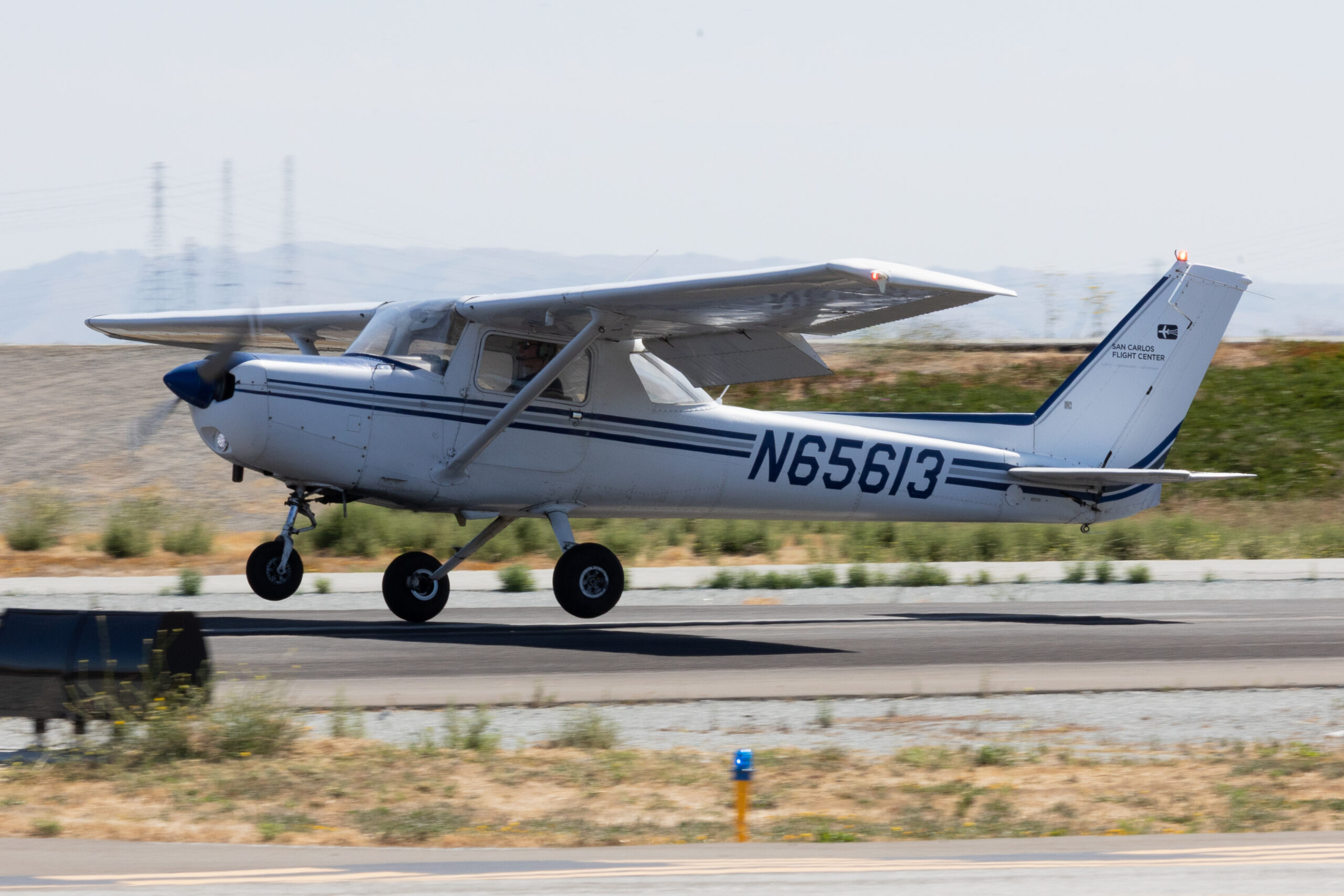
    The Cessna 206 is a six seat, high-performance airplane. It is known as the Stationair and has a variety of mission profiles. With more payload, seating capacity and speed than a Cessna 182, the Stationair provides the capabilities for pilots that have outgrown the 182. In addition to the constant speed propeller the 206 also

  • Radio Communication 2: Enroute Radio Communications

    San Carlos Flight Center , Select a Country:

    Flying through in the many airspaces of California requires a high degree of situational awareness and sophisticated radio skills.  And yet, radio communication is rarely taught as a specific subject during private pilot training.  Usually, new pilots just absorb what they hear on the frequency around them, both good and bad.  Although some radio techniques

  • Truckee Airport Operations

    San Carlos Flight Center , Select a Country:

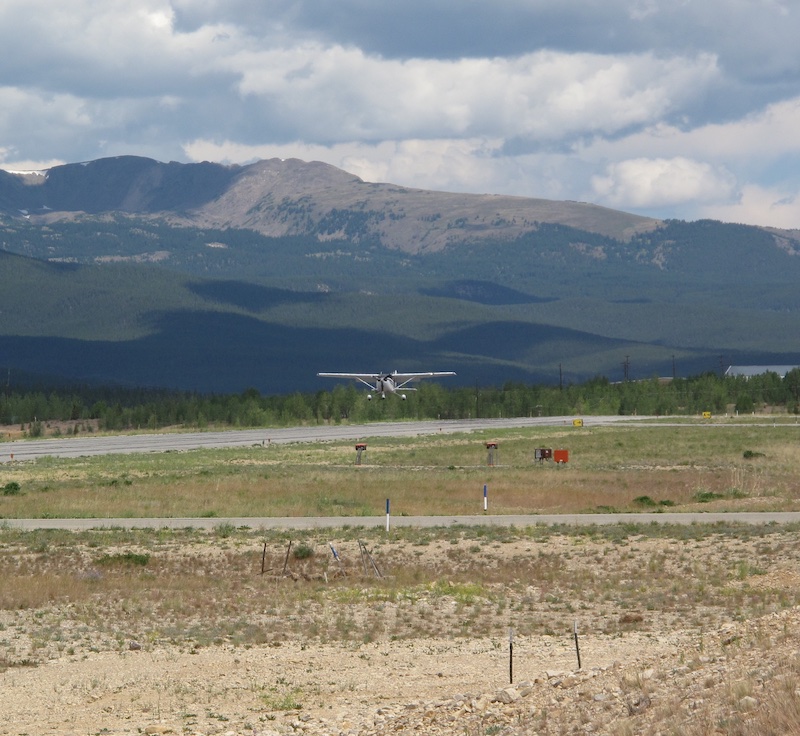
    **For information, flyers, and handouts referenced during this presentation please click here.**   Truckee Airport is the gateway to Lake Tahoe.  The spectacular views of Lake Tahoe are a short flight away, but pilots need to be aware of the challenges associated with these flights.  Truckee is settled well above sea level, located between mountainous

  • Flying in the Pacific Northwest

    San Carlos Flight Center , Select a Country:

    The Pacific Northwest is a hub of aviation industry and innovation, and what better way to experience this cosmopolitan region than in the air? However, with a major international airport, multiple military bases, an international border, and rapidly shifting weather patterns, flying in this airspace isn’t easy to navigate. San Carlos Flight Center invites CFIs

  • Airplane Care Tips for Pilots and Owners

    San Carlos Flight Center , Select a Country:

    A safe flying adventure, requires a safe pilot and a safe airplane. As pilots, we do what we can to inspect the plane before flight and to return it to the flight line in the same condition in which we found it. Mechanics who service and maintain aircraft we fly often have a deeper perspective.

  • What’s Next? Training for Commercial Pilot or Flight Instructor

    San Carlos Flight Center , Select a Country:

    For many pilots, the adventure stops at Private Pilot, which allows them the freedom of taking family and friends on flights to any airport of their choice. Some may add on an instrument rating, to protect the ability to depart and arrive on days with clouds that would stop a VFR-only pilot. Some pilots want

  • Planning and Dispatching a Part 135 Charter Flight

    San Carlos Flight Center , Select a Country:

    GA pilots know something about flight planning, but Part 135 charter pilots have to do much more to plan and dispatch a flight. San Carlos Flight Center invites long-time charter captain Bennett Taber to introduce us to the ways that professional charter companies reduce risks to the flying public and comply with a number of

  • Radio Communications 3: Non-Towered Airports

    San Carlos Flight Center , Select a Country:

    Flying in and out of the many airports in California requires a high degree of situational awareness and sophisticated radio skills. And yet, radio communication is rarely taught as a specific subject during private pilot training. Usually, new pilots just absorb what they hear on the frequency around them, both good and bad. Although some


  • NO SAFETY SEMINAR on July 5th

    San Carlos Flight Center , Select a Country:

    As a result of the 4th of July holiday weekend, there will be no SCFC seminar on Saturday, July 5th. Please join us for our next seminar on Wednesday, July 9th at 7pm for "Who is Really in Control? You or Your Autopilot?" We hope to see you there!   -SCFC Seminar Team

  • An Insight on California Weather From NWS Specialists

    San Carlos Flight Center , Select a Country:

      Pilots get a glimpse of weather theory during their training but struggle to understand localized weather patterns. Wouldn’t it be great to have the knowledge equivalent to a real meteorologist? Or wouldn’t it be valuable to hear directly from a weather specialist that creates aviation forecasts? Over many years, pilots may develop a general